

In the realm of plastic manufacturing, the multi - layer blow molding machine stands as a cornerstone of innovation, enabling the production of high - quality, multi - layered plastic products. At the heart of this sophisticated machinery lies the control system, a critical component that orchestrates the entire operation with precision and efficiency. As a trusted supplier of multi - layer blow molding machines, I am well - versed in the significance of the control system and its far - reaching impact on the manufacturing process.
The Basics of a Multi - Layer Blow Molding Machine
Before delving into the role of the control system, it is essential to understand the fundamental operation of a multi - layer blow molding machine. This type of machine is designed to produce plastic containers or products with multiple layers of different materials. The process typically involves melting plastic resins in extruders, combining the molten plastics in a die head to form a multi - layer parison (a tube - like piece of plastic), and then blowing the parison into a mold cavity to take the shape of the desired product.
Precision and Consistency
One of the primary roles of the control system in a multi - layer blow molding machine is to ensure precision and consistency in the manufacturing process. The control system regulates various parameters such as temperature, pressure, and speed throughout the operation. For example, maintaining the correct temperature in the extruders is crucial to ensure that the plastic resins melt uniformly and flow smoothly. If the temperature is too high, the plastic may degrade, leading to poor product quality. Conversely, if the temperature is too low, the plastic may not melt properly, resulting in incomplete filling of the mold.
The control system continuously monitors and adjusts the temperature based on pre - set values, ensuring that the temperature remains within the optimal range. Similarly, it controls the pressure in the extrusion process to ensure that the parison is formed with the right thickness and density. By maintaining consistent pressure, the control system helps to produce products with uniform wall thickness, which is essential for the structural integrity and performance of the final product.
Material Distribution
In a multi - layer blow molding machine, the control system plays a vital role in managing the distribution of different plastic materials to form the multi - layer structure. Each layer of the product may require a specific type of plastic resin with unique properties, such as barrier properties, strength, or flexibility. The control system precisely controls the flow rate of each plastic material from the extruders to the die head, ensuring that the correct amount of each material is used to form the desired layer thickness.
This precise material distribution is crucial for achieving the desired product performance. For instance, in the production of food packaging containers, the inner layer may be made of a food - grade plastic with excellent barrier properties to prevent the ingress of oxygen and moisture, while the outer layer may be made of a more durable plastic for protection. The control system ensures that these layers are formed with the right thickness and quality, meeting the strict requirements of the food industry.
Synchronization of Components
A multi - layer blow molding machine consists of multiple components, including extruders, die heads, molds, and blow pins. The control system is responsible for synchronizing the operation of these components to ensure a smooth and efficient manufacturing process. It coordinates the start and stop times of the extruders, the opening and closing of the molds, and the inflation of the parison by the blow pins.
For example, when the parison reaches the correct length, the control system signals the mold to close around it. Then, it activates the blow pin to inject air into the parison, causing it to expand and take the shape of the mold cavity. After the product is formed, the control system signals the mold to open and the product to be ejected. This synchronization is essential for minimizing production time, reducing waste, and ensuring the quality of the final product.
Quality Control
The control system also serves as a quality control mechanism in a multi - layer blow molding machine. It continuously monitors the production process and compares the actual parameters with the pre - set values. If any deviation is detected, the control system can take corrective actions automatically or alert the operator.
For example, if the wall thickness of the product deviates from the desired value, the control system can adjust the extrusion speed or pressure to correct the issue. It can also detect defects such as air bubbles, voids, or uneven surfaces in the product and mark them for further inspection or rejection. By implementing real - time quality control, the control system helps to improve the overall quality of the products and reduce the number of defective items.
Process Optimization
In addition to ensuring precision and quality, the control system in a multi - layer blow molding machine can be used for process optimization. It can collect and analyze data from the manufacturing process, such as production speed, energy consumption, and material usage. Based on this data, the control system can identify areas for improvement and suggest optimization strategies.
For example, it may detect that a particular extruder is consuming more energy than necessary. The control system can then adjust the operating parameters of the extruder to reduce energy consumption without sacrificing product quality. It can also optimize the production speed by adjusting the synchronization of the components, increasing the overall productivity of the machine.
Integration with Other Systems
Modern multi - layer blow molding machines are often integrated with other systems in the manufacturing plant, such as inventory management systems, quality control systems, and production planning systems. The control system in the blow molding machine can communicate with these systems, providing real - time data on production status, product quality, and material usage.
This integration allows for better coordination and management of the entire manufacturing process. For example, the inventory management system can be updated in real - time based on the material usage data from the control system, ensuring that the necessary raw materials are always available. The production planning system can also use the production status data to schedule production more efficiently, reducing downtime and improving overall productivity.

Our Offerings
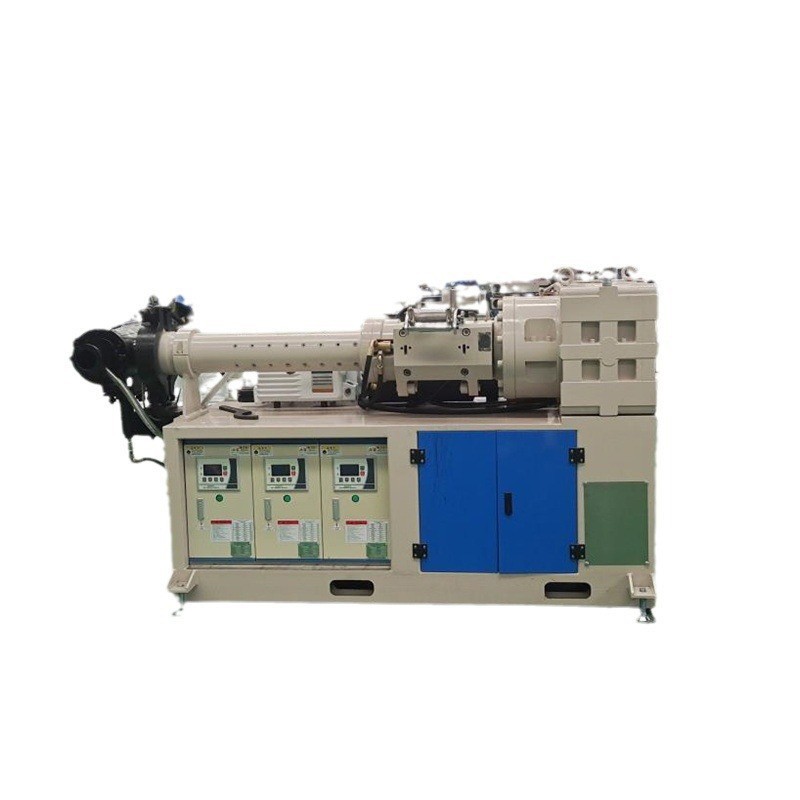
As a leading supplier of multi - layer blow molding machines, we offer state - of - the - art control systems that are designed to meet the diverse needs of our customers. Our control systems are equipped with advanced features such as touch - screen interfaces, remote monitoring capabilities, and data logging functions. These features make it easy for operators to control and monitor the machine, even from a distance.
We also offer a range of multi - layer blow molding machines, including Air Duct Blow Molding Machine, Plastic Extrusion Blow Moulding Machine, and Large Blow Molding Machine. Each machine is designed with the latest technology and is built to provide high - quality, efficient production.
Conclusion
In conclusion, the control system plays a crucial role in a multi - layer blow molding machine. It ensures precision, consistency, and quality in the manufacturing process, manages material distribution, synchronizes the operation of components, and enables process optimization. As a supplier of multi - layer blow molding machines, we understand the importance of a reliable and advanced control system. We are committed to providing our customers with the best - in - class machines and control systems to help them achieve their production goals.
If you are interested in our multi - layer blow molding machines or have any questions about the control system, we encourage you to contact us for a detailed discussion. Our team of experts is ready to assist you in finding the right solution for your manufacturing needs.
References
- Smith, J. (2018). Advanced Control Systems for Plastic Processing Machinery. Journal of Plastic Manufacturing, 25(3), 123 - 135.
- Johnson, A. (2019). Multi - Layer Blow Molding Technology: Principles and Applications. Plastic Engineering Review, 32(2), 45 - 58.
- Brown, C. (2020). The Role of Automation in Multi - Layer Blow Molding. International Journal of Manufacturing Technology, 40(4), 234 - 246.


