

As a supplier of Pontoon Blow Molding Machines, I understand that transporting such large and complex equipment can be a daunting task. In this blog post, I'll share some essential tips and considerations to ensure a smooth and safe transportation process for your pontoon blow molding machine.
Pre - transportation Preparation
Machine Inspection
Before any transportation, a thorough inspection of the pontoon blow molding machine is crucial. Check for any loose parts, damaged components, or signs of wear and tear. Tighten all bolts and fasteners to prevent them from coming loose during transit. Inspect the electrical wiring to ensure it is secure and there are no exposed wires that could pose a safety hazard. This inspection not only helps in identifying potential issues but also provides a baseline for the machine's condition before it is moved.
Disassembly
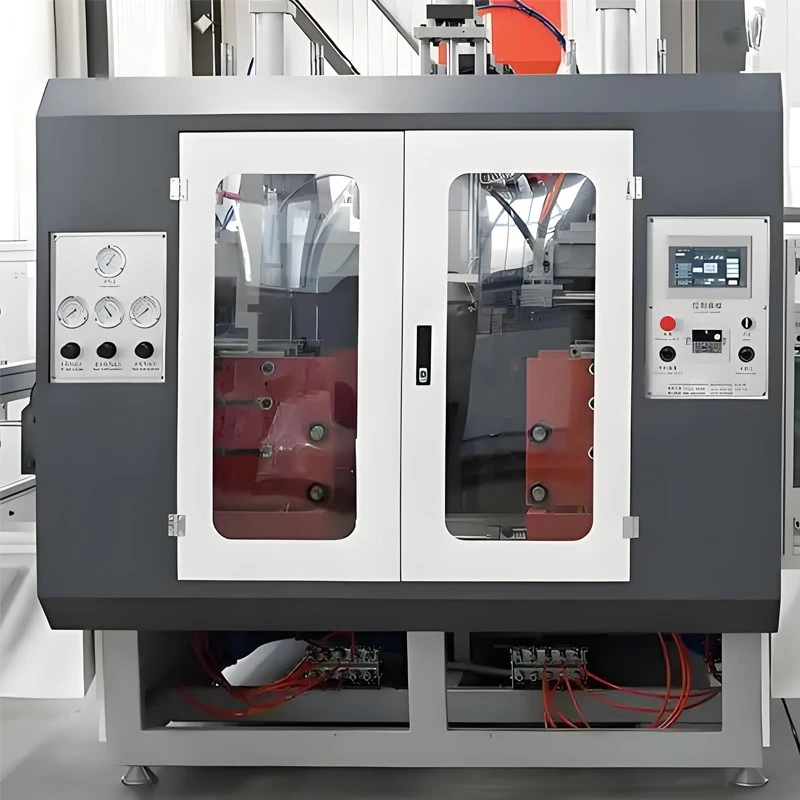
Depending on the size and design of the pontoon blow molding machine, partial disassembly may be necessary. Remove any detachable parts such as hoppers, molds, and control panels. Label each part clearly with its corresponding location on the machine. This will make the reassembly process much easier and more efficient at the destination. For example, if you have a Double Station Blow Molding Machine, the two stations might need to be disassembled separately for easier handling.
Cleaning
Clean the machine thoroughly to remove any debris, dust, or residual plastic. This not only improves the machine's appearance but also prevents any foreign particles from causing damage during transportation. Pay special attention to the moving parts and the extrusion system. A clean machine is also less likely to attract pests or cause corrosion during transit.
Documentation
Gather all the necessary documentation related to the machine, including the user manual, maintenance records, and any certificates. This documentation will be useful for the shipping company, customs officials (if applicable), and the technicians who will be reassembling the machine at the destination.
Choosing the Right Transportation Method
Road Transport
Road transport is a common choice for transporting pontoon blow molding machines, especially for domestic or short - distance shipments. When choosing a road transport carrier, ensure that they have experience in transporting heavy and oversized equipment. The carrier should have a fleet of suitable trucks with the necessary lifting and securing equipment. For example, flatbed trucks are often used for transporting large machinery as they provide a stable platform for the machine.
Sea Transport
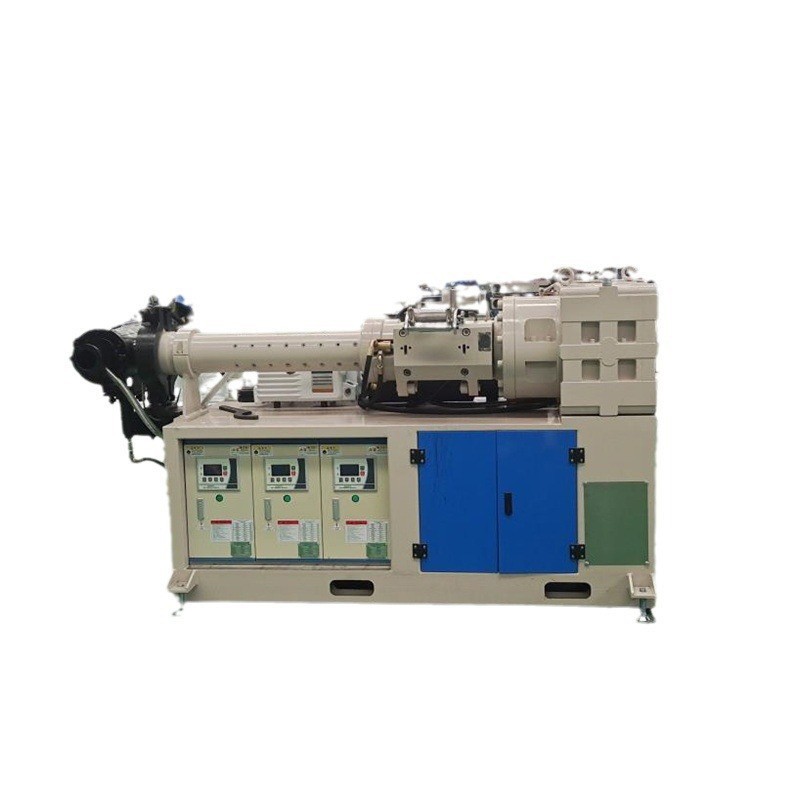
If you are shipping the pontoon blow molding machine internationally, sea transport is a cost - effective option. Select a reliable shipping line that specializes in transporting heavy industrial equipment. The machine should be properly packed and secured in a shipping container to protect it from the harsh marine environment. Consider using a Plastic Extrusion Blow Moulding Machine as an example. When shipping it overseas, it needs to be protected from saltwater corrosion and rough handling during loading and unloading.
Air Transport
Air transport is the fastest option but is also the most expensive. It is usually reserved for urgent shipments or when the destination is far away and time is of the essence. However, due to the size and weight of pontoon blow molding machines, air transport may not be a practical option in most cases.
Packaging and Securing the Machine
Packaging Materials
Use high - quality packaging materials to protect the machine during transportation. Wooden crates are a popular choice for heavy machinery as they provide strong protection. Line the crates with foam or other cushioning materials to absorb shocks and vibrations. For smaller parts, use plastic bags or cardboard boxes. If you are transporting a HDPE Bottle Blowing Machine, the sensitive electronic components should be wrapped in anti - static materials to prevent damage from static electricity.
Securing the Machine
Once the machine is placed in the crate or on the transport vehicle, it must be securely fastened. Use straps, chains, or bolts to prevent the machine from shifting during transit. For machines on flatbed trucks, the straps should be tightened evenly to ensure stability. When using a shipping container, the machine should be secured to the container's walls or floor to prevent movement.
Insurance and Tracking
Insurance
Obtain comprehensive insurance coverage for the pontoon blow molding machine during transportation. This will protect you from financial losses in case of damage, theft, or other unforeseen events. Work with an insurance provider who has experience in insuring industrial equipment. The insurance policy should cover the full value of the machine, including any shipping and handling costs.
Tracking
Choose a transportation provider that offers tracking services. This allows you to monitor the progress of your shipment in real - time. You can track the location of the machine, estimated time of arrival, and any potential delays. This information is valuable for planning the installation and commissioning of the machine at the destination.
Reassembly and Commissioning at the Destination
Professional Installation
Once the pontoon blow molding machine arrives at its destination, it should be reassembled by professional technicians. These technicians should be familiar with the machine's design and installation process. Follow the disassembly labels and the machine's manual during the reassembly process. Ensure that all parts are correctly installed and aligned.
Commissioning
After reassembly, the machine needs to be commissioned. This involves testing the machine to ensure that it is functioning properly. Check the electrical systems, hydraulic systems, and extrusion processes. Conduct trial runs with different materials to verify the machine's performance. Provide training to the end - users on how to operate and maintain the machine.
Conclusion
Transporting a pontoon blow molding machine requires careful planning, attention to detail, and the right partners. By following these steps, you can minimize the risks associated with transportation and ensure that your machine arrives at its destination in good condition. If you are in the market for a high - quality pontoon blow molding machine or need further advice on transportation, please feel free to contact us for procurement and in - depth discussions.
References
- Industry standards for transporting heavy industrial equipment.
- Manufacturer's guidelines for pontoon blow molding machine disassembly and reassembly.
- Best practices in packaging and securing large machinery for transportation.


