

Hey there! As a supplier of Air Duct Blow Molding Machines, I've seen firsthand how crucial it is to keep these machines in top - notch condition. A well - maintained machine not only runs smoothly but also saves you a ton of money in the long run. So, let's dive into how you can maintain an Air Duct Blow Molding Machine.
Regular Cleaning
The first step in maintaining your machine is regular cleaning. Just like any other piece of equipment, dust, debris, and plastic residues can build up over time. This buildup can cause all sorts of problems, from clogging the nozzles to affecting the overall performance of the machine.

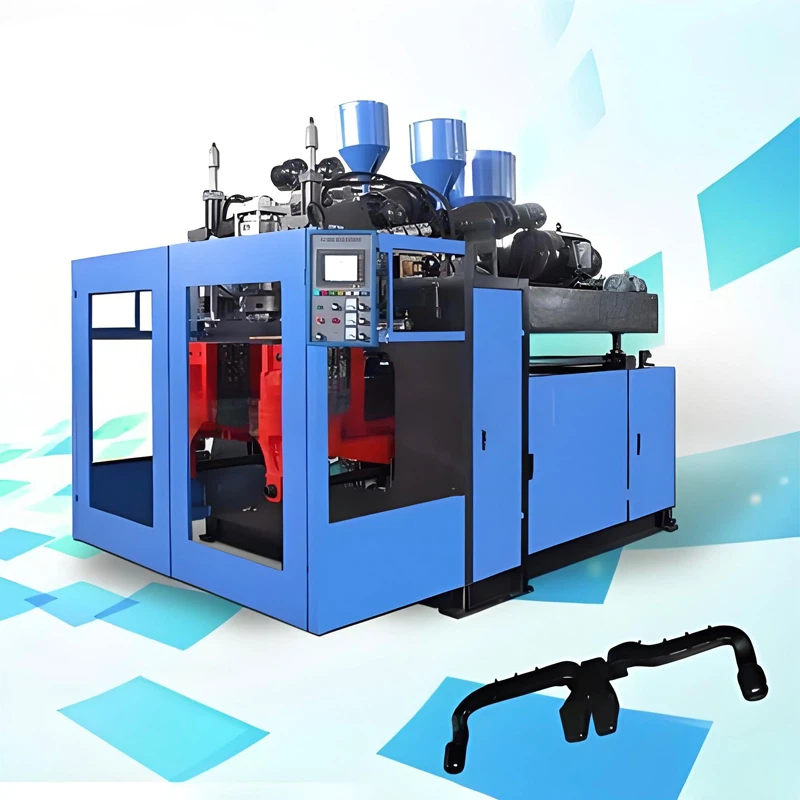
Start by cleaning the exterior of the machine. Use a soft, dry cloth to wipe away any dust or dirt. Make sure to get into all the nooks and crannies, especially around the control panels and buttons. For stubborn stains, you can use a mild cleaning solution, but be careful not to get any liquid inside the machine.
Next, focus on the interior. The hopper, where the plastic pellets are loaded, can accumulate a lot of dust and debris. Empty the hopper regularly and use a vacuum cleaner to remove any remaining particles. The extrusion system is also a critical area. Over time, plastic can stick to the screws and barrels. Use a specialized plastic cleaning compound to remove these residues. This will help ensure a smooth flow of plastic and prevent any blockages.
Lubrication
Lubrication is another key aspect of machine maintenance. Proper lubrication reduces friction between moving parts, which in turn reduces wear and tear and extends the lifespan of the machine.
Identify all the moving parts of the Air Duct Blow Molding Machine, such as the hydraulic cylinders, gears, and bearings. Refer to the machine's manual to determine the appropriate type of lubricant to use. Different parts may require different types of lubricants, so it's essential to get it right.
Establish a regular lubrication schedule. Some parts may need to be lubricated daily, while others can be done weekly or monthly. Make sure to apply the lubricant evenly and in the right amount. Too little lubrication won't do the job, and too much can attract dust and debris.
Inspection of Electrical Components
The electrical components of the machine are just as important as the mechanical ones. Faulty electrical connections can lead to malfunctions, electrical shocks, or even fires.
Regularly inspect all the electrical wires and cables for signs of wear, such as fraying or cracking. If you notice any damage, replace the wires immediately. Check the electrical panels and control boxes for loose connections. Tighten any loose screws or terminals to ensure a secure connection.
Test the electrical switches and sensors regularly. These components are responsible for controlling the various functions of the machine. A malfunctioning switch or sensor can cause the machine to operate incorrectly. Use a multimeter to test the electrical continuity of the switches and sensors. If any of them are not working properly, replace them as soon as possible.
Calibration
Calibration is necessary to ensure that the machine is producing air ducts of the correct size and quality. Over time, the machine's settings may drift, leading to variations in the final product.
Use precision measuring tools, such as calipers and micrometers, to measure the dimensions of the air ducts produced by the machine. Compare these measurements with the specifications. If there are any discrepancies, adjust the machine's settings accordingly.
Calibrate the temperature sensors regularly. The temperature of the extrusion process is crucial for the quality of the plastic. Incorrect temperatures can lead to issues such as uneven melting of the plastic or poor adhesion between layers. Use a temperature calibration device to verify the accuracy of the sensors.
Maintenance of Hydraulic System
If your Air Duct Blow Molding Machine has a hydraulic system, proper maintenance of this system is vital. The hydraulic system is responsible for providing the force needed to operate the machine.
Check the hydraulic fluid level regularly. Low fluid levels can cause the system to overheat and malfunction. If the fluid level is low, add the appropriate type of hydraulic fluid as recommended by the machine's manual.
Inspect the hydraulic hoses for leaks. A leaking hose can not only cause a loss of hydraulic pressure but also pose a safety hazard. If you notice any leaks, replace the hoses immediately. Clean the hydraulic filters regularly to prevent contaminants from entering the system.
Training of Operators
Well - trained operators are an essential part of machine maintenance. They are the ones who interact with the machine on a daily basis and can spot potential problems early.
Provide comprehensive training to all operators. Teach them how to operate the machine correctly, including how to load the plastic pellets, set the parameters, and start and stop the machine safely. Also, train them on basic maintenance tasks, such as cleaning and lubrication.
Encourage operators to report any unusual noises, vibrations, or other signs of problems immediately. Early detection of issues can prevent more significant problems from occurring.
Comparison with Other Blow Molding Machines
While we're on the topic of blow molding machines, it's worth mentioning some other types. For example, the Mannequin Blow Molding Machine is designed specifically for producing mannequins. It has different requirements and features compared to an Air Duct Blow Molding Machine. The Automatic Extrusion Blow Molding Machine offers a high level of automation, which can increase productivity. And the Pontoon Blow Molding Machine is used for making pontoons, which have their own unique production needs.
Conclusion
Maintaining an Air Duct Blow Molding Machine is a comprehensive process that involves regular cleaning, lubrication, inspection of electrical components, calibration, maintenance of the hydraulic system, and training of operators. By following these steps, you can ensure that your machine runs smoothly, produces high - quality air ducts, and has a long lifespan.
If you're in the market for an Air Duct Blow Molding Machine or need more information on maintenance, don't hesitate to reach out. We're here to help you make the best decision for your business.
References
- Manufacturer's manual of the Air Duct Blow Molding Machine
- Industry standards and best practices for blow molding machine maintenance


