

Ensuring the safety of operators when using a mobile toilet blow molding machine is of utmost importance. As a supplier of Mobile Toilet Blow Molding Machines, I understand the significance of this issue and have gathered some key insights to share with you.
1. Pre - operation Safety Checks
Before starting the mobile toilet blow molding machine, operators must conduct a series of comprehensive safety checks. Firstly, visually inspect the machine's exterior for any signs of damage, such as cracks in the frame, loose bolts, or frayed wires. A damaged machine can pose a serious threat to the operator's safety during operation.
Next, check the electrical system. Ensure that all electrical connections are secure and that there are no exposed wires. Faulty electrical systems can lead to electric shocks, short - circuits, and even fires. It is also essential to verify that the machine is properly grounded. A grounded machine helps to prevent electrical hazards by providing a safe path for electrical current in case of a malfunction.
The hydraulic system should also be inspected. Check the hydraulic fluid level; low fluid levels can cause the system to overheat and malfunction. Look for any signs of leaks in the hydraulic hoses and connections. Hydraulic fluid leaks not only reduce the efficiency of the machine but can also create slippery surfaces, increasing the risk of slips and falls.
2. Operator Training
Proper training is the cornerstone of operator safety. All operators should receive in - depth training on the operation of the mobile toilet blow molding machine. The training should cover both theoretical knowledge and practical skills.
Theoretical training should include an understanding of the machine's working principles, components, and safety features. Operators need to know how each part of the machine functions and what safety mechanisms are in place to protect them. For example, they should be aware of emergency stop buttons, safety guards, and interlock systems.
Practical training is equally important. Operators should practice operating the machine under the supervision of experienced trainers. They should learn how to load raw materials, set the correct parameters, and perform routine maintenance tasks. Practical training also helps operators to develop a sense of how the machine behaves during normal operation, enabling them to quickly identify any abnormal situations.
In addition to initial training, regular refresher courses should be provided. Technology is constantly evolving, and new safety standards and operating procedures may be introduced. Refresher courses ensure that operators stay up - to - date with the latest information and best practices.
3. Use of Personal Protective Equipment (PPE)
Personal Protective Equipment is essential for operator safety. Operators should be provided with and required to wear appropriate PPE at all times during machine operation.
Safety glasses are a must. They protect the eyes from flying debris, such as plastic particles or small metal fragments that may be generated during the blow - molding process. Ear protection is also necessary, as blow molding machines can produce high - decibel noise levels. Prolonged exposure to loud noise can cause hearing loss.
Operators should wear safety gloves to protect their hands from cuts, burns, and chemical exposure. Some raw materials used in the blow - molding process may be hot or contain chemicals that can irritate the skin. Additionally, safety shoes should be worn to prevent foot injuries from falling objects or sharp edges.
4. Machine Maintenance
Regular maintenance of the mobile toilet blow molding machine is crucial for both its performance and operator safety. A well - maintained machine is less likely to malfunction and cause accidents.
Scheduled maintenance should include tasks such as lubricating moving parts, checking and replacing worn - out components, and cleaning the machine. Lubrication reduces friction between moving parts, preventing overheating and premature wear. Worn - out components, such as belts, gears, and bearings, should be replaced promptly to avoid machine breakdowns.
Cleaning the machine is also important. Accumulated dust, debris, and plastic residues can interfere with the machine's operation and may pose a fire hazard. Regular cleaning helps to keep the machine in good working condition and reduces the risk of safety incidents.
5. Safety Features and Interlock Systems
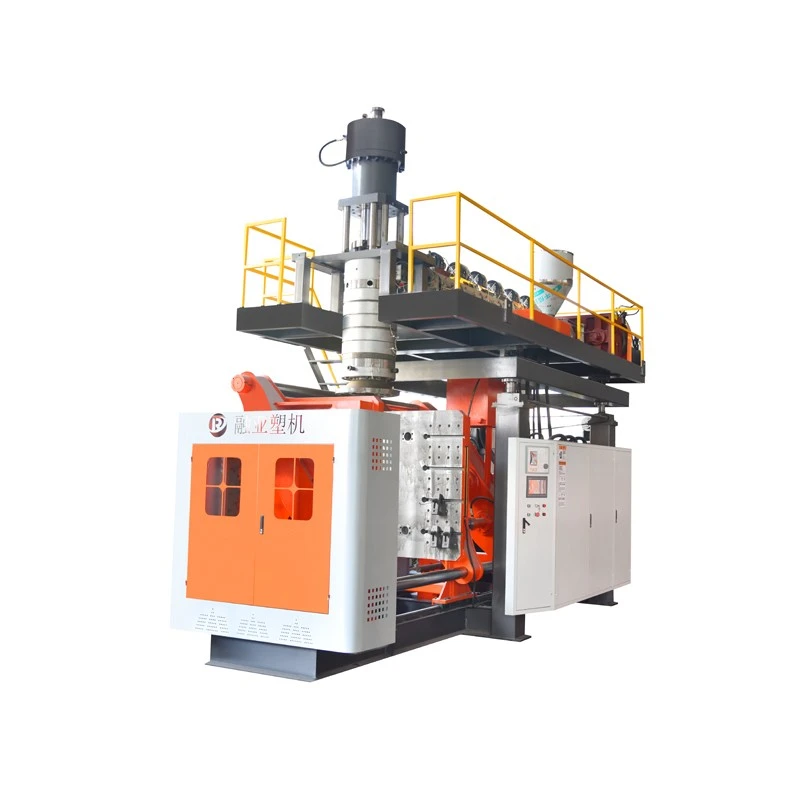
Modern mobile toilet blow molding machines are equipped with various safety features and interlock systems. These features are designed to prevent operators from accessing dangerous areas of the machine during operation.
Safety guards are one of the most common safety features. They are installed around moving parts, such as the clamping unit, extruder, and mold. Safety guards prevent operators from accidentally coming into contact with these parts, reducing the risk of injuries.
Interlock systems are another important safety mechanism. For example, the machine may be designed so that it cannot be started if the safety guards are not properly closed. Similarly, if an operator tries to open a safety guard during operation, the machine will automatically stop. These interlock systems ensure that operators are protected from the moving parts of the machine.
6. Risk Assessment
Conducting regular risk assessments is an effective way to identify potential safety hazards and take appropriate measures to mitigate them. A risk assessment should be carried out before the machine is installed and then periodically during its operation.
The risk assessment should consider factors such as the machine's location, the type of raw materials used, and the operating environment. For example, if the machine is located in a confined space, there may be a risk of poor ventilation, which can lead to the accumulation of harmful fumes. If flammable raw materials are used, there is a risk of fire and explosion.
Based on the risk assessment results, appropriate control measures should be implemented. These may include improving ventilation, installing fire - prevention equipment, or modifying the operating procedures.
7. Emergency Preparedness
Despite all the safety measures in place, emergencies can still occur. Therefore, it is essential to have an emergency preparedness plan.
The emergency preparedness plan should include procedures for handling fires, electrical emergencies, and medical emergencies. Operators should be trained on these procedures and know how to respond quickly and effectively in case of an emergency.
Emergency exits should be clearly marked, and the area around the machine should be kept clear to ensure easy access in case of an evacuation. Fire extinguishers and first - aid kits should be readily available, and operators should know how to use them.
Related Products
If you are also interested in other types of blow molding machines, we offer a wide range of options. For example, our Pallet Blow Molding Machine is designed for producing high - quality pallets. Our Massage Chair Blow Molding Machine can create comfortable and durable massage chairs. And our Chemical Barrel Blow Molding Machine is suitable for manufacturing chemical barrels with high precision and reliability.
Conclusion
Ensuring the safety of operators when using a mobile toilet blow molding machine requires a comprehensive approach. By conducting pre - operation safety checks, providing proper training, using personal protective equipment, maintaining the machine, utilizing safety features, conducting risk assessments, and being prepared for emergencies, we can significantly reduce the risk of accidents.
If you are considering purchasing a mobile toilet blow molding machine or have any questions about operator safety, please feel free to contact us for further discussion and procurement negotiation. We are committed to providing you with high - quality machines and reliable safety solutions.

References
- Blow Molding Technology Handbook, Third Edition by James L. Throne
- Safety Standards for Industrial Machinery: A Guide by International Organization for Standardization (ISO)
- Occupational Safety and Health Administration (OSHA) Guidelines for Machine Safety


