

Hey there! As a supplier of plastic crushers, I often get asked about the ventilation requirements for these machines. It's a crucial topic because proper ventilation can significantly impact the performance, safety, and lifespan of a plastic crusher. So, let's dive right in and explore what you need to know.
Why Ventilation Matters
First off, why is ventilation so important for a plastic crusher? Well, when you're crushing plastic, it generates a lot of heat. The friction between the blades and the plastic, along with the motor running, can cause the temperature inside the crusher to rise rapidly. If this heat isn't dissipated properly, it can lead to several problems.
For starters, overheating can damage the crusher's components. The motor might burn out, the blades can become dull or even warp, and the overall efficiency of the machine will drop. Additionally, plastic particles and dust are produced during the crushing process. Without adequate ventilation, these particles can accumulate in the air, posing a health risk to the operators and potentially causing respiratory problems.
Factors Affecting Ventilation Requirements
Several factors determine the ventilation requirements for a plastic crusher. Let's take a look at some of the key ones.
Machine Size and Capacity
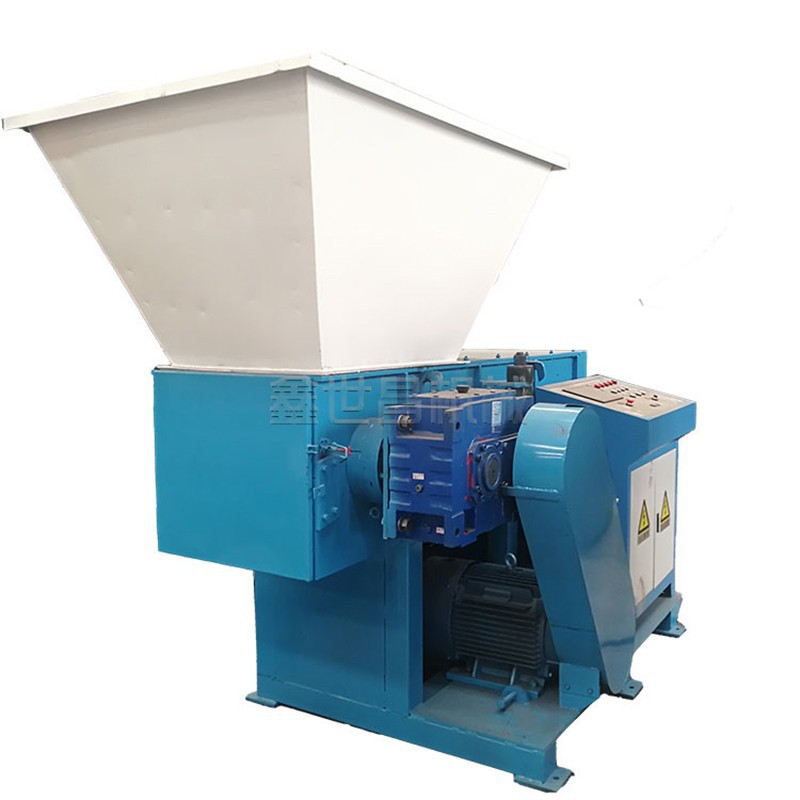
Bigger machines with higher capacities generally require more ventilation. An Industrial Plastic Crusher is designed to handle large volumes of plastic, so it generates more heat and dust compared to a Plastic Crusher Machine Small. As a result, you'll need a more powerful ventilation system to keep it cool and maintain clean air in the workspace.
Type of Plastic Being Crushed
Different types of plastics have different melting points and release different amounts of heat and dust during the crushing process. For example, hard plastics like PVC and ABS might require more ventilation than softer plastics like polyethylene. This is because hard plastics tend to generate more friction and heat when being crushed.
Operating Environment
The location where the plastic crusher is installed also plays a role. If the crusher is placed in a small, enclosed room with poor air circulation, you'll need a better ventilation system to ensure proper airflow. On the other hand, if it's in a large, well-ventilated area, the ventilation requirements might be less stringent.
Calculating Ventilation Requirements
Now, let's talk about how to calculate the ventilation requirements for a plastic crusher. There's no one-size-fits-all formula, but here are some general guidelines.
Airflow Rate
The airflow rate is measured in cubic feet per minute (CFM). To determine the required CFM for your plastic crusher, you need to consider the heat generated by the machine and the amount of dust it produces. A good rule of thumb is to aim for an airflow rate that can exchange the air in the workspace at least 6 to 8 times per hour.
For example, if your workspace is 1000 cubic feet, you'll need a ventilation system that can provide an airflow rate of at least 6000 to 8000 CFM. However, this is just a rough estimate, and you might need to adjust it based on the factors we discussed earlier.
Duct Size
The size of the ventilation ducts is also important. If the ducts are too small, the airflow will be restricted, and the ventilation system won't work effectively. On the other hand, if the ducts are too large, it can lead to inefficient use of energy. You'll need to calculate the appropriate duct size based on the airflow rate and the length and layout of the ducts.

Types of Ventilation Systems
There are several types of ventilation systems that you can use for a plastic crusher. Let's take a look at some of the most common ones.
Exhaust Fans
Exhaust fans are a popular choice for ventilating plastic crushers. They work by pulling the hot air and dust out of the workspace and expelling it outside. You can install exhaust fans on the walls or ceiling of the room where the crusher is located. Make sure to position the fans in a way that they can effectively capture the hot air and dust generated by the machine.
Dust Collectors
Dust collectors are designed to remove the plastic particles and dust from the air. They use filters to trap the dust, and then the clean air is recirculated back into the workspace. Dust collectors are especially useful if you're dealing with a lot of fine dust particles, which can be harmful to breathe in.
Ventilation Hoods
Ventilation hoods are placed directly over the plastic crusher to capture the hot air and dust at the source. They are connected to an exhaust system that removes the contaminants from the workspace. Ventilation hoods are a great option if you want to minimize the spread of dust and heat in the surrounding area.
Maintenance of Ventilation Systems
Once you've installed a ventilation system for your plastic crusher, it's important to maintain it properly. Regular maintenance will ensure that the system continues to work effectively and prevent any potential problems.
Cleaning Filters
If your ventilation system has filters, make sure to clean or replace them regularly. Clogged filters can reduce the airflow and make the system less efficient. Check the manufacturer's recommendations for how often to clean or replace the filters.
Inspecting Ducts
Inspect the ducts regularly for any signs of damage or blockages. Leaky ducts can reduce the airflow and allow dust and hot air to escape into the workspace. If you notice any problems with the ducts, make sure to repair or replace them as soon as possible.
Lubricating Fans
If you're using exhaust fans, make sure to lubricate the bearings regularly. This will help to keep the fans running smoothly and prevent them from overheating.
Conclusion
In conclusion, proper ventilation is essential for the safe and efficient operation of a plastic crusher. By considering the factors that affect ventilation requirements, calculating the appropriate airflow rate and duct size, and choosing the right type of ventilation system, you can ensure that your plastic crusher performs at its best and provides a healthy working environment for your operators.
If you're in the market for a plastic crusher or need help with ventilation requirements, don't hesitate to reach out. We're here to assist you with all your plastic crushing needs. Whether you're looking for a Plastic Scrap Shredder Machine, an industrial crusher, or a small machine, we've got you covered. Contact us today to start the conversation and find the perfect solution for your business.
References
- ASHRAE Handbook - HVAC Systems and Equipment.
- OSHA Guidelines for Ventilation in Industrial Settings.
- Manufacturer's Manuals for Plastic Crushers.


