

Hey there! As a supplier of blow molding machines, I often get asked about the different components and their roles in these machines. One crucial part that plays a significant role is the hydraulic system. Let's dig into what the role of the hydraulic system in a blow molding machine is.
First off, let me give you a quick rundown of what a blow molding machine does. It's used to create hollow plastic products by inflating molten plastic into a mold. Pretty cool, right? But to make that happen smoothly and efficiently, the hydraulic system steps in.
Power and Force Generation
The primary role of the hydraulic system in a blow molding machine is to generate power and force. You see, in blow molding, you need a lot of force to close the mold tightly, especially when dealing with large or complex - shaped products. The hydraulic system can generate high levels of force that can hold the mold together under the pressure of the injected and inflated plastic.
Think about it like this: when you're trying to make a 50 Litre Blow Moulding Machine produce a big 50 - litre container. The plastic is forced into the mold at high pressure, and if the mold isn't held shut firmly, the plastic will leak out, and you'll end up with a defective product. The hydraulic system provides the muscle needed to keep that mold closed and ensure a perfect product every time.
Precise Movement Control
Another super important role is precise movement control. Blow molding machines have multiple moving parts, such as the mold halves, the extrusion head, and the blow pin. The hydraulic system allows for very accurate control of the movement of these parts.
For example, when the mold needs to open and close, the hydraulic cylinders can be adjusted to move at a specific speed and to a precise position. This is essential for maintaining the quality of the final product. If the mold opens or closes too quickly or doesn't move the right amount, it can affect the shape and thickness of the plastic product.
In a Folding Table Blow Molding Machine, precise movement control is crucial. The machine has to create a folding table with consistent dimensions and a smooth finish. The hydraulic system makes sure that all the components work in sync, and the mold moves exactly as it should during the different stages of the blow - molding process.
Speed Regulation
The hydraulic system also helps in regulating the speed of the various operations in the blow molding machine. Different products may require different operating speeds. For instance, a thin - walled plastic item might need a faster extrusion and blow - molding speed, while a thicker and more complex product might require a slower, more controlled process.
The hydraulic system can adjust the flow of hydraulic fluid to the cylinders and motors, which in turn changes the speed of the moving parts. This speed regulation is essential for optimizing the production process, reducing cycle times, and improving the overall efficiency of the machine.
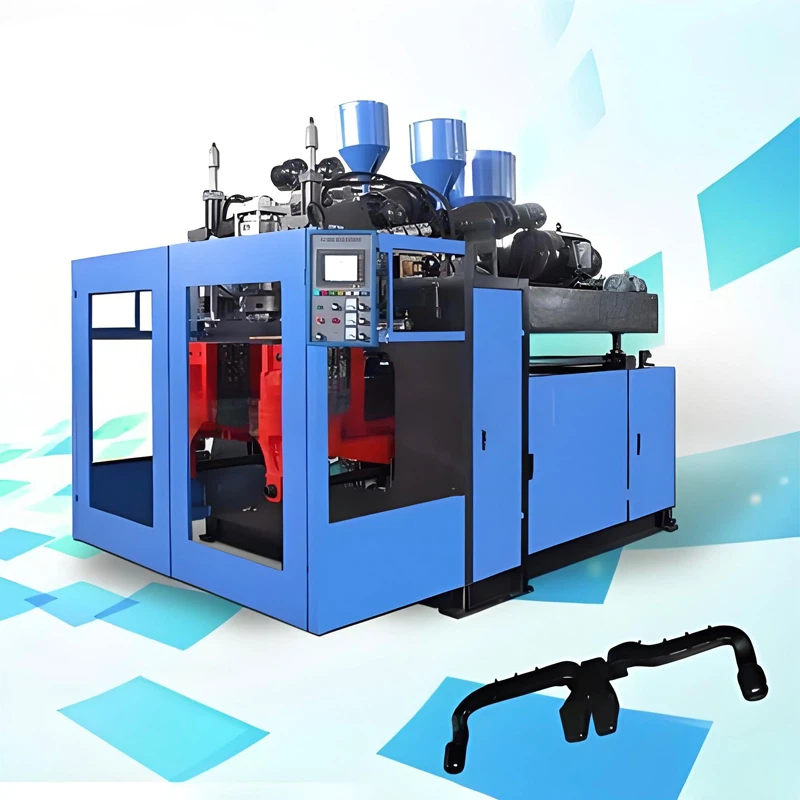

In an Automatic Extrusion Blow Molding Machine, speed regulation is key to its automatic operation. The machine needs to extrude the plastic at a consistent speed, blow it into the mold at the right time, and then eject the finished product without any hitches. The hydraulic system makes all these operations run smoothly by controlling the speed of each step.
Energy Efficiency
These days, energy efficiency is a big deal. A well - designed hydraulic system in a blow molding machine can be quite energy - efficient. It can store and release energy in a controlled manner, reducing the overall energy consumption of the machine.
For example, when the machine is performing a high - force operation like closing the mold, the hydraulic system can use stored energy from previous cycles. This way, it doesn't have to draw a large amount of energy from the power source all at once. Over time, this can lead to significant cost savings for the user.
Integrated System Operation
The hydraulic system doesn't work in isolation. It's integrated with other parts of the blow molding machine, such as the electrical control system and the mechanical components. The electrical system can send signals to the hydraulic valves to control the flow and pressure of the hydraulic fluid.
This integration allows for a seamless operation of the blow molding machine. The electrical control system can monitor the temperature, pressure, and position of different components, and then adjust the hydraulic system accordingly. For example, if the temperature of the plastic is too high, the control system can signal the hydraulic system to slow down the extrusion process to ensure the quality of the product.
Maintenance and Reliability
A reliable hydraulic system is crucial for the overall performance of a blow molding machine. It's designed to be durable and require minimal maintenance. However, like any other mechanical system, it does need some attention.
Regular maintenance, such as checking the hydraulic fluid level, changing the filters, and inspecting the hoses and seals, can keep the hydraulic system running smoothly. This reduces the chances of breakdowns and costly downtime. As a supplier, we always provide our customers with detailed maintenance guides and support to ensure that their machines operate at their best.
Conclusion
So, there you have it! The hydraulic system in a blow molding machine is like the powerhouse and the brain's right - hand man. It generates the force needed to close the mold, controls the precise movement of different parts, regulates the speed of operations, improves energy efficiency, works in harmony with other systems, and provides reliability and durability.
If you're in the market for a blow molding machine and want to learn more about how the hydraulic system can benefit your production, don't hesitate to reach out. Whether you need a 50 Litre Blow Moulding Machine, a Folding Table Blow Molding Machine, or an Automatic Extrusion Blow Molding Machine, we're here to help you make the right choice. Let's have a chat and see how we can meet your specific needs.
References
- Blow Molding Handbook, Second Edition by Rosato, Rosato, and Schut
- Plastics Processing Technology by Osswald and Turng


