

Corrosion resistance is a crucial factor to consider when evaluating the quality and durability of a small plastic crusher machine. As a supplier of Plastic Crusher Machine Small, I understand the significance of this characteristic and its impact on the overall performance of the equipment. In this blog post, I will delve into the concept of corrosion resistance, its importance in small plastic crusher machines, and the factors that influence it.
Understanding Corrosion and Its Effects
Corrosion is a natural process that occurs when a metal reacts with its environment, leading to the deterioration of the metal's properties. In the context of small plastic crusher machines, corrosion can affect various components, including the blades, housing, and other metal parts. The presence of moisture, chemicals, and other corrosive agents in the operating environment can accelerate the corrosion process, leading to reduced efficiency, increased maintenance costs, and ultimately, premature failure of the machine.
The effects of corrosion on a small plastic crusher machine can be significant. Corroded blades may lose their sharpness, resulting in poor cutting performance and increased energy consumption. The housing and other structural components may weaken over time, compromising the machine's stability and safety. Additionally, corrosion can lead to the formation of rust and other contaminants, which can contaminate the plastic materials being processed and affect the quality of the final product.
Importance of Corrosion Resistance in Small Plastic Crusher Machines
Corrosion resistance is essential for small plastic crusher machines for several reasons. Firstly, it ensures the longevity and reliability of the equipment. By preventing corrosion, the machine can maintain its performance and functionality over an extended period, reducing the need for frequent repairs and replacements. This not only saves costs but also minimizes downtime and disruptions to the production process.
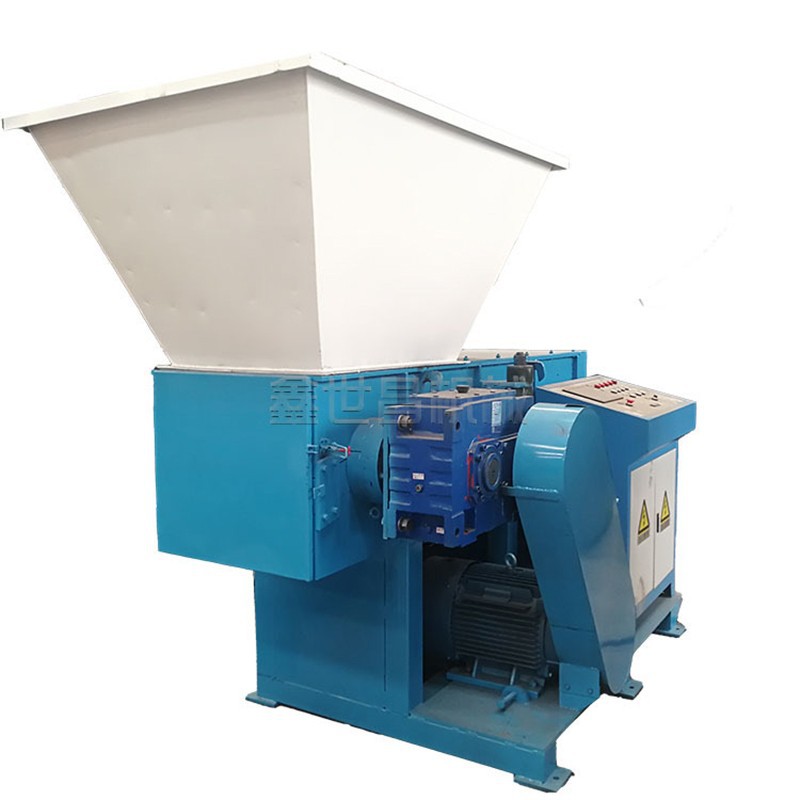

Secondly, corrosion resistance helps to maintain the quality of the plastic materials being processed. A corroded machine can introduce contaminants into the plastic, which can affect its physical and chemical properties. This can lead to defects in the final product, such as discoloration, brittleness, and reduced strength. By using a corrosion-resistant small plastic crusher machine, manufacturers can ensure that their plastic products meet the required quality standards.
Finally, corrosion resistance is important for safety reasons. A corroded machine may pose a risk of structural failure, which can result in serious injuries to operators and damage to the surrounding environment. By choosing a corrosion-resistant machine, manufacturers can ensure the safety of their workers and comply with relevant safety regulations.
Factors Affecting the Corrosion Resistance of Small Plastic Crusher Machines
Several factors can influence the corrosion resistance of small plastic crusher machines. These include the material used in the construction of the machine, the surface treatment applied to the metal parts, and the operating environment.
Material Selection
The choice of material is one of the most critical factors affecting the corrosion resistance of a small plastic crusher machine. Stainless steel is a popular choice for many components due to its excellent corrosion resistance properties. Stainless steel contains chromium, which forms a protective oxide layer on the surface of the metal, preventing further corrosion. Other materials, such as aluminum and titanium, also offer good corrosion resistance and may be used in certain applications.
Surface Treatment
In addition to material selection, surface treatment can also improve the corrosion resistance of small plastic crusher machines. Common surface treatments include painting, powder coating, and galvanizing. These treatments create a protective barrier between the metal and the environment, preventing corrosive agents from coming into contact with the metal surface.
Operating Environment
The operating environment of a small plastic crusher machine can also have a significant impact on its corrosion resistance. Machines that are operated in humid or corrosive environments are more likely to experience corrosion than those operated in dry and clean environments. To mitigate the effects of the operating environment, it is important to take appropriate measures, such as using a protective enclosure, providing proper ventilation, and regular cleaning and maintenance.
Our Corrosion-Resistant Small Plastic Crusher Machines
As a supplier of Plastic Crusher Machine Small, we are committed to providing high-quality, corrosion-resistant machines. Our machines are designed and manufactured using the latest technology and materials to ensure optimal performance and durability.
We use high-grade stainless steel in the construction of our key components, such as the blades and housing, to provide excellent corrosion resistance. In addition, our machines undergo a rigorous surface treatment process to further enhance their corrosion resistance. We also offer a range of options for protecting our machines from the operating environment, including protective enclosures and ventilation systems.
Conclusion
In conclusion, corrosion resistance is a crucial factor to consider when choosing a small plastic crusher machine. By understanding the concept of corrosion, its effects on the machine, and the factors that influence it, manufacturers can make informed decisions about the type of machine that best suits their needs.
At our company, we are dedicated to providing our customers with the highest quality Plastic Crusher Machine Small with excellent corrosion resistance. Our machines are designed to meet the demanding requirements of the plastic recycling industry, ensuring reliable performance and long service life.
If you are interested in learning more about our small plastic crusher machines or have any questions about corrosion resistance, please do not hesitate to contact us. We look forward to discussing your needs and providing you with a customized solution.
References
- Jones, D. A. (1996). Principles and Prevention of Corrosion. Prentice Hall.
- Schumann, G. (2001). Corrosion of Stainless Steels. Wiley-VCH.
- Uhlig, H. H., & Revie, R. W. (2011). Corrosion and Corrosion Control: An Introduction to Corrosion Science and Engineering. Wiley.


