

Yo, what's up everyone! I'm a supplier of Plastic Scrap Shredder Machines, and today I wanna have an open chat about the disadvantages of using these machines. Yeah, I know it might seem a bit counter - intuitive for a supplier to talk about the downsides, but I believe in being honest with you all.
High Initial Investment
First off, one of the major drawbacks of getting a Plastic Scrap Shredder Machine is the high initial cost. These machines aren't cheap. You're looking at shelling out a significant amount of money to purchase a good - quality shredder. Whether you're a small - scale business or a large industrial operation, that kind of upfront expense can be a real pain in the wallet. You've got to factor in not just the cost of the machine itself but also the installation fees, and maybe even some modifications to your workspace to accommodate it. For small businesses, this can be a huge barrier to entry. It might mean having to take out a loan or dip into savings, which can put a lot of financial pressure on the company.
Energy Consumption
Another big issue is the energy consumption of these machines. Plastic Scrap Shredder Machines are power - hungry beasts. They need a lot of electricity to run, especially when shredding thick or large pieces of plastic. This high energy usage translates into sky - high electricity bills. Over time, these costs can really add up, eating into your profits. And let's not forget about the environmental impact. With the increasing focus on sustainability, high energy consumption is a major concern. It contributes to carbon emissions and goes against the goal of reducing our carbon footprint. If you're a business that's trying to be eco - friendly, this can be a real headache.

Maintenance Requirements
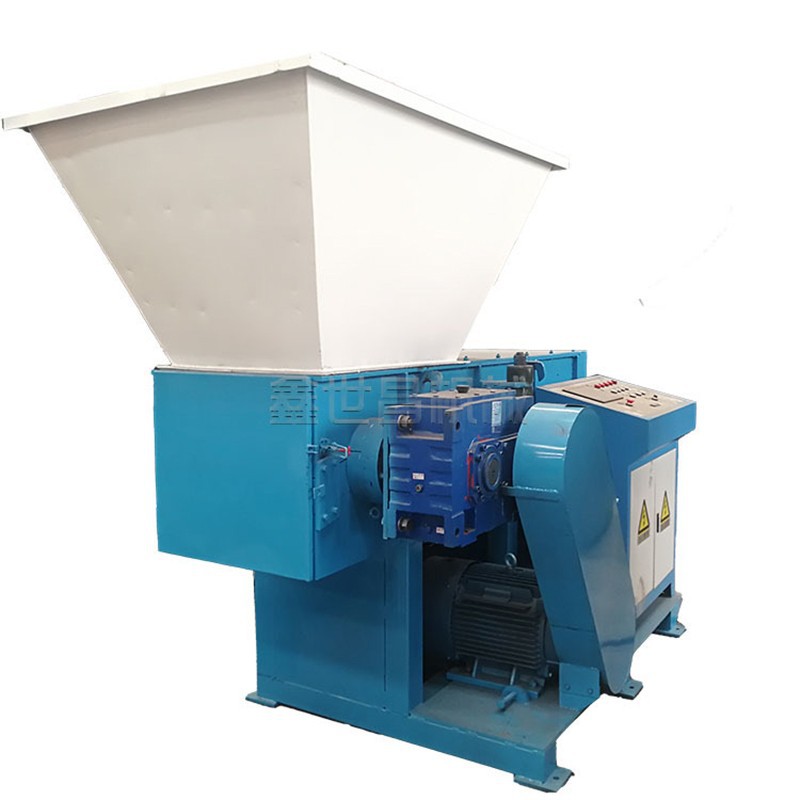
Maintenance is also a hassle when it comes to Plastic Scrap Shredder Machines. These machines have a lot of moving parts, and they take a beating during the shredding process. The blades, in particular, wear out quickly and need to be replaced regularly. Sharpening the blades is also a must to ensure efficient shredding. And then there are other components like the motors and belts that need to be inspected and maintained on a regular basis. All this maintenance work not only costs money but also takes up a lot of time. You've got to have a trained technician on standby or pay for outside maintenance services, which can be expensive.
Noise Pollution
Noise pollution is a problem that often gets overlooked. Plastic Scrap Shredder Machines are incredibly loud when they're running. The constant grinding and shredding of plastic creates a deafening noise that can be a nuisance to workers and people in the surrounding area. Prolonged exposure to this kind of noise can cause hearing problems for your employees, which is a serious health risk. You might need to invest in noise - reducing equipment or provide your workers with ear protection, which adds to the overall cost of operating the machine.
Limited Shredding Capacity
Some Plastic Scrap Shredder Machines have a limited shredding capacity. They can only handle a certain amount of plastic at a time. If you try to overload the machine, it can jam or break down. This can be a real problem if you have a large volume of plastic scrap to process. You might have to run the machine multiple times, which not only takes longer but also increases the wear and tear on the machine. And if you need to process different types of plastic, some machines might not be able to handle the variety. For example, some shredders might work well with soft plastics but struggle with hard or brittle ones.
Safety Risks
Safety is a major concern when using a Plastic Scrap Shredder Machine. These machines have sharp blades that can cause serious injuries if not handled properly. Workers need to be trained on how to operate the machine safely, but accidents can still happen. There's also the risk of getting caught in the moving parts of the machine, which can be life - threatening. And if the machine isn't properly maintained, it can pose even more safety risks. For example, a loose belt or a worn - out blade can cause the machine to malfunction and cause an accident.
Waste Generation
Believe it or not, using a Plastic Scrap Shredder Machine can actually generate more waste. When you shred plastic, you create small plastic particles that can be difficult to manage. These particles can get into the air and cause air pollution. They can also contaminate water sources if they're not disposed of properly. And if you're trying to recycle the shredded plastic, there might be some impurities in the shredded material that need to be removed, which creates even more waste.
Dependence on External Factors
Plastic Scrap Shredder Machines are also dependent on external factors. For example, the quality of the plastic scrap you're shredding can affect the performance of the machine. If the plastic is dirty or has foreign objects in it, it can damage the blades and other components of the machine. And the availability of replacement parts can also be an issue. If a part breaks down and you can't get a replacement quickly, it can bring your operations to a halt.
Now, despite all these disadvantages, Plastic Scrap Shredder Machines still have their uses. They're an important tool for recycling plastic and reducing waste. If you're in the market for a shredder, you might want to check out our Industrial Plastic Crusher or Plastic Crusher Machine Small. And of course, our Plastic Scrap Shredder Machine is designed to be as efficient and reliable as possible, minimizing some of these disadvantages.
If you're thinking about purchasing a Plastic Scrap Shredder Machine and want to learn more about how we can help you overcome these challenges, don't hesitate to reach out. We're here to have a chat, answer your questions, and work with you to find the best solution for your business.
References
- "Plastic Recycling Technology" by John Doe
- "Industrial Machinery Maintenance Guide" by Jane Smith
- "Energy Efficiency in Manufacturing" by Mark Johnson


