

Hey there! I'm a supplier of Tool Box Blow Molding Machines. Over the years, I've seen a lot of questions about how to test the quality of tool boxes produced by these machines. So, I thought I'd share some insights on this topic.
First off, let's understand the importance of quality testing. A high - quality tool box not only lasts longer but also provides better protection for the tools inside. For us as suppliers of Tool Box Blow Molding Machine, ensuring that the final product meets the standards is crucial. It builds trust with our customers and helps us stand out in the market.
Visual Inspection
The first and easiest way to test the quality of a blow - molded tool box is through visual inspection. You can start by looking at the overall appearance of the tool box. Check for any surface defects like scratches, cracks, or uneven surfaces. These can be signs of problems during the blow - molding process, such as improper temperature control or issues with the mold.
Also, look at the color consistency. A well - made tool box should have a uniform color throughout. Any color variations could indicate problems with the raw materials or the mixing process. If you notice any discoloration or streaks, it might be a red flag.
Wall Thickness Measurement
Wall thickness is a critical factor in determining the strength and durability of a tool box. A tool box with inconsistent wall thickness may have weak spots that can break easily under stress. To measure the wall thickness, you can use a caliper. Take measurements at multiple points on the tool box, including the corners, sides, and bottom.

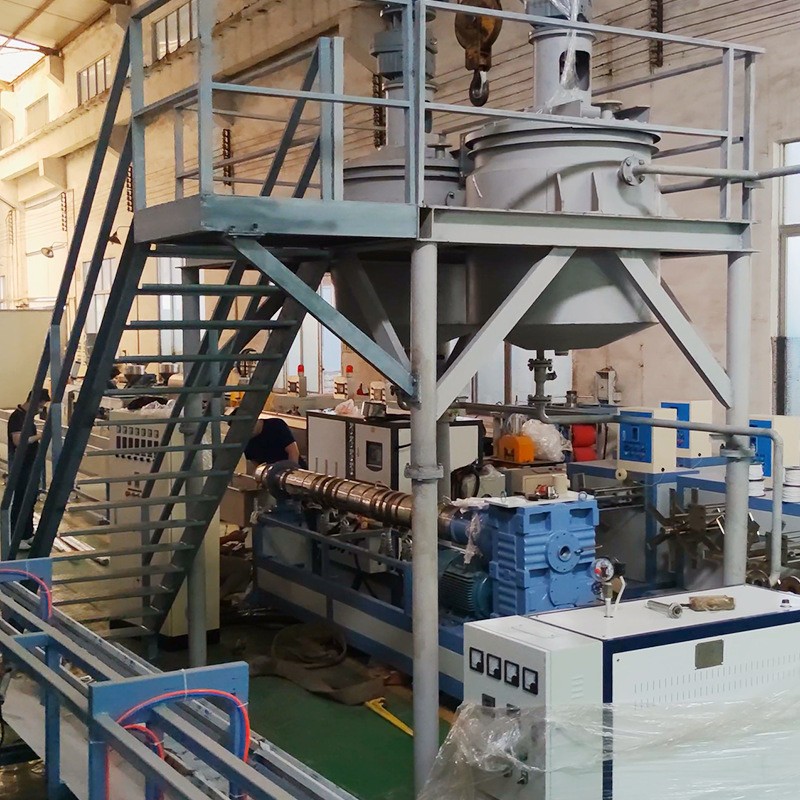
The ideal wall thickness can vary depending on the size and intended use of the tool box. Generally, a thicker wall provides more strength, but it also increases the weight and cost of the product. You should aim for a consistent wall thickness within an acceptable tolerance range. If the wall thickness varies too much, it could be due to problems with the blow - molding machine, such as an uneven flow of plastic.
Impact Resistance Testing
Tool boxes are often subjected to impacts during normal use, whether it's being dropped or banged around. So, testing the impact resistance is essential. One way to do this is by using a pendulum impact tester. You can set up the tool box in the tester and release the pendulum to strike the tool box at a specific height and angle.
After the impact, check for any cracks or damage. A high - quality tool box should be able to withstand a certain level of impact without breaking. If the tool box shatters or has large cracks after a relatively minor impact, it may not be suitable for heavy - duty use.
Another simple way to test impact resistance is the drop test. You can drop the tool box from a reasonable height onto a hard surface. Start with a low height and gradually increase it if the tool box shows no damage. Make sure to drop the tool box from different orientations to simulate real - world scenarios.
Chemical Resistance Testing
Depending on the environment in which the tool box will be used, it may come into contact with various chemicals. Chemical resistance testing helps ensure that the tool box won't be damaged by these chemicals. You can soak small samples of the tool box material in different chemicals for a certain period.
Common chemicals to test include solvents, oils, and cleaning agents. After the soaking period, check for any signs of swelling, discoloration, or softening of the material. A good - quality tool box should be able to resist the effects of common chemicals without significant damage.
Stress Crack Resistance Testing
Stress cracks can occur over time due to internal stresses in the plastic material. To test the stress crack resistance, you can use a stress - cracking agent. Apply the agent to the surface of the tool box and then bend or flex the tool box slightly.
Observe the surface for any signs of cracking. If stress cracks appear quickly, it indicates that the tool box may have poor stress crack resistance. This could be a problem, especially if the tool box will be used in an environment where it will be subjected to continuous stress.
Sealing Performance Testing
For tool boxes that are designed to be water - or dust - proof, testing the sealing performance is crucial. You can test the sealing by placing the tool box in a dust - filled or water - filled chamber. After a certain period, check the inside of the tool box for any signs of dust or water ingress.
A well - sealed tool box should prevent dust and water from entering effectively. If you find dust or water inside the tool box, it means the sealing mechanism is not working properly. This could be due to problems with the design of the seal or the way it was installed during the manufacturing process.
Load - Bearing Capacity Testing
Tool boxes are meant to hold tools, so they need to have a sufficient load - bearing capacity. To test the load - bearing capacity, you can gradually add weights to the tool box until it reaches its maximum capacity or shows signs of failure.
Make sure to distribute the weights evenly inside the tool box to simulate real - world usage. If the tool box deforms or breaks under a relatively low load, it may not be suitable for storing heavy tools. The load - bearing capacity can be affected by factors such as the wall thickness, the design of the tool box, and the quality of the plastic material.
Comparison with Competitors' Products
It's always a good idea to compare your tool boxes with those of your competitors. Look at the features, quality, and price of similar products on the market. This can give you an idea of where your product stands and what areas you need to improve.
You can also ask customers for feedback on how your tool boxes compare to others. Their real - world experiences can provide valuable insights into the strengths and weaknesses of your product. By constantly comparing and improving, you can stay ahead in the market.
Using High - Quality Machines
As a supplier of Tool Box Blow Molding Machine, I know that using a high - quality machine is the foundation of producing good - quality tool boxes. Our machines are designed with advanced technology to ensure precise control of the blow - molding process.
For example, we use state - of - the - art temperature control systems to maintain the right temperature during the plastic extrusion and blowing stages. This helps prevent defects such as uneven wall thickness and surface cracks. Our machines also have advanced mold design capabilities, which can produce tool boxes with complex shapes and features.
If you're in the market for a blow - molding machine, you might also be interested in our Chemical Barrel Blow Molding Machine and Plastic Extrusion Blow Moulding Machine. These machines are built with the same high - quality standards and can be used for different applications.
Conclusion
Testing the quality of tool boxes produced by a blow - molding machine is a comprehensive process that involves multiple steps. By conducting visual inspections, measuring wall thickness, testing impact resistance, chemical resistance, and other properties, you can ensure that your tool boxes meet the highest quality standards.
If you're interested in purchasing a Tool Box Blow Molding Machine or have any questions about quality testing, feel free to reach out. We're here to help you produce high - quality tool boxes that will satisfy your customers.
References
- "Plastic Blow Molding: Science and Technology" by John L. Throne
- "Handbook of Plastics Testing Technology" by Charles A. Harper


