

Wall thickness variation in thin-walled products is a common issue in the multi-layer blow molding process. As a supplier of Multi Layer Blow Molding Machines, we understand the challenges manufacturers face and have developed strategies to prevent such problems. In this blog, we will explore the causes of wall thickness variation and provide practical solutions to ensure consistent and high-quality thin-walled products.
Understanding the Causes of Wall Thickness Variation
1. Material Flow Irregularities
The flow of plastic material during the blow molding process is crucial for achieving uniform wall thickness. If the material does not flow evenly through the die, it can result in areas of thicker or thinner walls. This can be caused by factors such as inconsistent melt temperature, improper die design, or variations in the material properties.
2. Parison Instability
The parison, which is the tube of molten plastic extruded from the die, needs to be stable during the blowing process. Any instability in the parison, such as sagging or stretching unevenly, can lead to wall thickness variations. This can be influenced by factors like the extrusion speed, the temperature of the parison, and the blowing pressure.
3. Mold Design and Temperature
The design of the mold plays a significant role in determining the wall thickness of the final product. If the mold has uneven cooling channels or if the temperature distribution within the mold is not uniform, it can cause the plastic to solidify at different rates, resulting in wall thickness variations. Additionally, the alignment of the mold halves and the presence of any defects in the mold surface can also affect the wall thickness.
4. Machine Settings
Incorrect machine settings, such as the extrusion rate, the blowing time, and the clamping force, can all contribute to wall thickness variation. These settings need to be carefully calibrated based on the specific requirements of the product and the characteristics of the material being used.
Strategies to Prevent Wall Thickness Variation
1. Optimize Material Selection and Preparation
- Choose High - Quality Materials: Select plastics with consistent melt flow properties and good thermal stability. Different grades of plastics can have varying viscosities and flow characteristics, which can impact the uniformity of the wall thickness.
- Proper Drying: Ensure that the plastic material is properly dried before processing. Moisture in the material can cause bubbles and uneven flow, leading to wall thickness variations.
- Blending and Additives: Consider using additives or blending different polymers to improve the material's flow properties and enhance its ability to form a uniform wall thickness.
2. Improve Parison Control
- Precise Extrusion: Use a high - precision extrusion system to ensure a consistent and stable parison. This includes controlling the extrusion speed, temperature, and pressure to maintain a uniform diameter and wall thickness of the parison.
- Parison Programming: Implement parison programming techniques to adjust the wall thickness of the parison at different points along its length. This can be done using a programmable parison controller, which allows for precise control of the die gap during extrusion.
- Parison Cooling: Apply appropriate cooling methods to the parison to reduce sagging and improve its stability. This can involve using air cooling or water cooling systems to maintain the parison at an optimal temperature.
3. Enhance Mold Design and Maintenance
- Uniform Cooling Channels: Design the mold with evenly spaced and properly sized cooling channels to ensure uniform cooling of the plastic. This helps to prevent uneven solidification and reduces the risk of wall thickness variations.
- Mold Surface Finish: Ensure that the mold surface is smooth and free from any defects or scratches. A rough mold surface can cause the plastic to stick or flow unevenly, leading to inconsistent wall thickness.
- Regular Maintenance: Conduct regular maintenance of the mold to keep it in good condition. This includes cleaning, inspecting for wear and tear, and making any necessary repairs or adjustments.
4. Fine - Tune Machine Settings
- Calibrate Extrusion Parameters: Carefully calibrate the extrusion rate, temperature, and pressure to match the requirements of the product and the material. This may require some trial and error to find the optimal settings.
- Adjust Blowing Time and Pressure: The blowing time and pressure need to be adjusted to ensure that the parison is inflated evenly and fills the mold cavity completely. Too much or too little blowing pressure can result in wall thickness variations.
- Optimize Clamping Force: Set the clamping force of the machine to ensure that the mold halves are properly closed during the blowing process. Insufficient clamping force can cause the plastic to leak or flow unevenly, while excessive clamping force can damage the mold.
Our Multi Layer Blow Molding Machines: A Solution for Consistent Wall Thickness
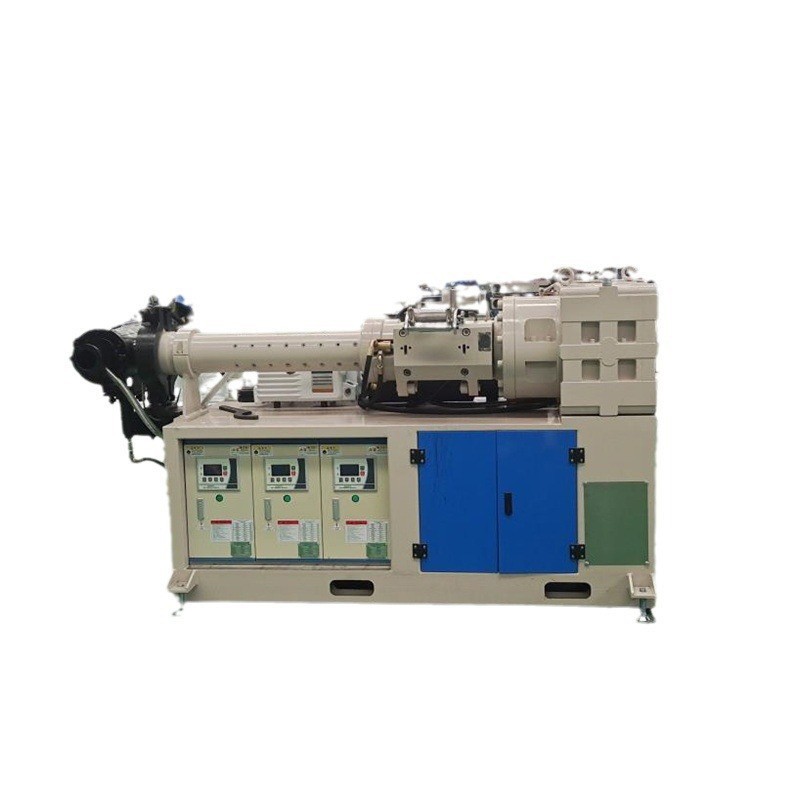
As a leading supplier of Multi Layer Blow Molding Machines, we offer a range of advanced machines that are designed to minimize wall thickness variation in thin - walled products. Our machines are equipped with state - of the - art technology and features that ensure precise control over the blow molding process.
- Advanced Extrusion Systems: Our machines are equipped with high - precision extrusion systems that can accurately control the flow of plastic material, resulting in a stable and uniform parison.
- Programmable Parison Controllers: We provide programmable parison controllers that allow for precise adjustment of the parison wall thickness at different points along its length, enabling the production of products with consistent wall thickness.
- Optimized Mold Design: Our engineering team works closely with customers to design molds that are optimized for uniform cooling and proper material flow, reducing the risk of wall thickness variation.
- User - Friendly Interface: Our machines feature a user - friendly interface that makes it easy to adjust and monitor the machine settings, ensuring that the process is consistently optimized for the production of high - quality thin - walled products.
Applications of Our Blow Molding Machines
Our Multi Layer Blow Molding Machines are suitable for a wide range of applications, including the production of tool boxes, folding tables, and other plastic products. You can learn more about our specific machines for these applications by visiting the following links:
- Tool Box Blow Molding Machine
- Folding Table Blow Molding Machine
- Plastic Extrusion Blow Moulding Machine
Conclusion
Wall thickness variation in thin - walled products can be a significant challenge in the blow molding process. However, by understanding the causes of this issue and implementing the appropriate strategies, manufacturers can achieve consistent and high - quality products. As a supplier of Multi Layer Blow Molding Machines, we are committed to providing our customers with the latest technology and solutions to help them overcome these challenges.
If you are interested in learning more about our Multi Layer Blow Molding Machines or would like to discuss your specific requirements, we encourage you to contact us for a detailed consultation. Our team of experts will be happy to assist you in finding the best solution for your production needs.

References
- Beckmann, P., & Schulte, E. (2015). Blow Molding Handbook. Hanser Publications.
- Rosato, D. V., & Rosato, D. V. (2004). Blow Molding Technology. Kluwer Academic Publishers.
- Throne, J. L. (1996). Thermoplastic Blow Molding: Science and Technology. Hanser Publications.


